
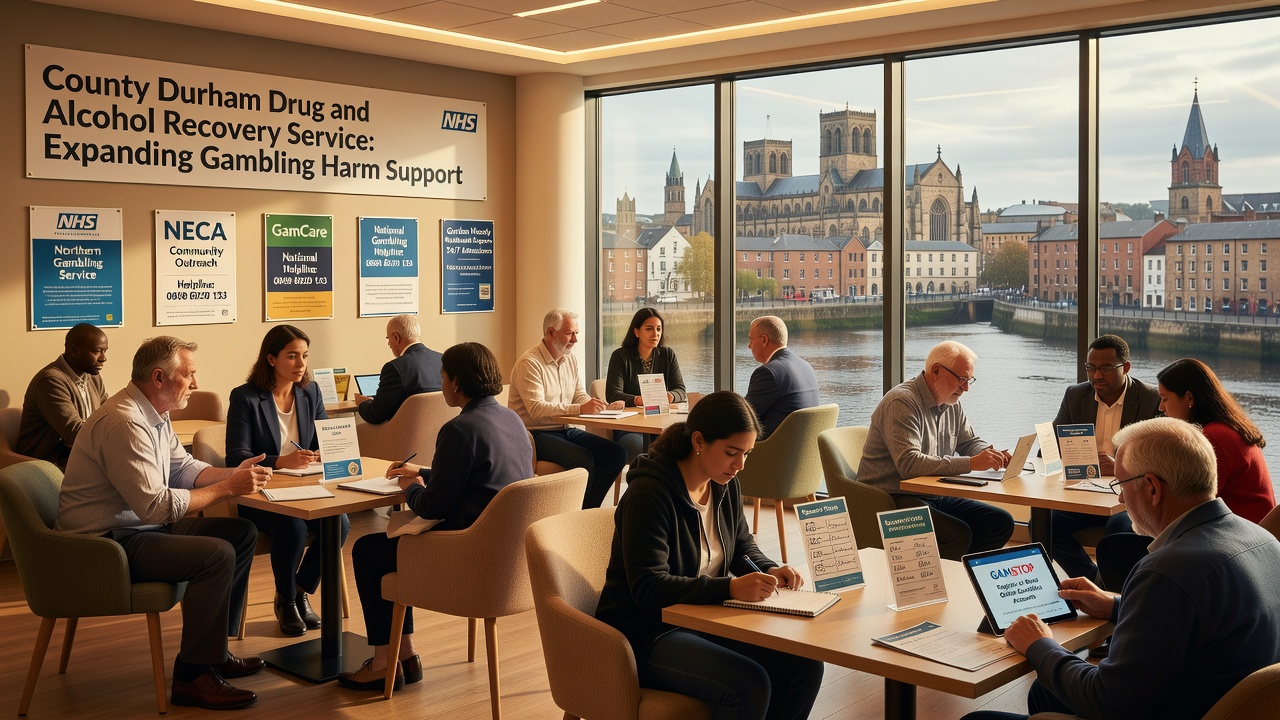
Thousands of people across County Durham are estimated to be at risk of gambling-related harm, according to local public health assessments, prompting renewed attention to the range of support services already available. The figures point to a problem that extends well beyond individual bad luck at the tables or a losing bet - it is a public health issue with financial, psychological and social consequences that ripple through families and communities.
Recognising the Signs of Harm
Gambling harm rarely announces itself clearly. It tends to build gradually, through small compromises that accumulate into significant damage. Someone might spend more than they can afford, borrow to chase losses, or begin concealing their activity from people close to them. Emotional strain often follows financial strain: anxiety, low mood, and a sense of being trapped in a cycle that feels difficult to exit.
Public health officials in County Durham have flagged several indicators worth watching, including an inability to stop despite wanting to, spending beyond one's means, dishonesty about the extent of the habit, and persistent feelings of hopelessness tied to gambling activity. None of these signs on their own proves a problem exists, but together they form a pattern that professionals use to identify when someone may need support.
A Layered System of Support
What distinguishes the current approach is its structure across several tiers, rather than reliance on a single service. Locally, the County Durham Drug and Alcohol Recovery Service treats gambling as part of a wider addiction framework, while GPs and mental health teams can refer patients into specialist pathways. Community hubs offer a lower-threshold entry point - somewhere to ask questions and be pointed toward the right service without needing a formal diagnosis first.
At a regional level, the NHS Northern Gambling Service provides dedicated addiction therapy, and NECA works directly with people trying to change harmful patterns of behaviour. Nationally, organisations such as GamCare operate around-the-clock helplines and live chat, the National Gambling Helpline offers direct telephone support, and Gordon Moody provides residential treatment for more severe cases. This tiered model - local, regional, national - reflects the reality that gambling harm varies enormously in severity, and that a single intervention rarely fits everyone.
Practical Steps Beyond Formal Services
- Talking openly to a trusted friend, relative, or professional, which often precedes any formal treatment.
- Using self-exclusion tools such as GAMSTOP to restrict access to online gambling platforms.
- Tracking spending and time through apps or journals to identify triggers and patterns.
- Seeking independent financial advice where gambling has caused debt or money management problems.
These measures are not substitutes for professional support where harm is severe, but they can act as a first, manageable step for someone unsure whether their situation warrants formal intervention.
Why Local Data Matters
The 2025 Gambling Health Needs and Assets Assessment carried out by County Durham's Public Health team represents an attempt to move beyond anecdote and map the scale of risk more precisely at a local level. Understanding how many residents fall into moderate or higher-risk categories allows commissioners to allocate resources more effectively, whether that means funding more counselling capacity or ensuring community hubs are equipped to signpost correctly.
This local data-gathering sits within a broader national conversation about gambling regulation, advertising exposure, and consumer protection, particularly as online platforms make gambling more accessible than ever. Support structures like these exist precisely because gambling, framed honestly, is a product with genuine financial risk rather than a reliable path to income - and because early intervention tends to produce better outcomes than crisis response.
Residents seeking guidance can contact the local Public Health team directly by email at [email protected] or by telephone on 03000 264 109.